In the vast, collaborative worlds of Massively Multiplayer Online (MMO) games like World of Warcraft (WoW), every player is theoretically just one hero among millions. Yet, an intriguing social phenomenon has emerged: “Main Character Energy” (MCE). This describes a player’s tendency to act as if they are the sole, central protagonist of the game, with other players serving as their supporting cast, quest-givers, or even obstacles. While a certain degree of self-importance is inherent in being an adventurer, MCE goes further, impacting social interactions in both amusing and sometimes frustrating ways. This guide explores the rise of MCE in MMO social spaces, dissecting its various manifestations, its potential upsides and downsides, and how this subtle shift in player perception shapes the cooperative and competitive dynamics of these shared virtual worlds, making everyone’s journey a little more… cinematic.
What is Main Character Energy? Defining the Phenomenon
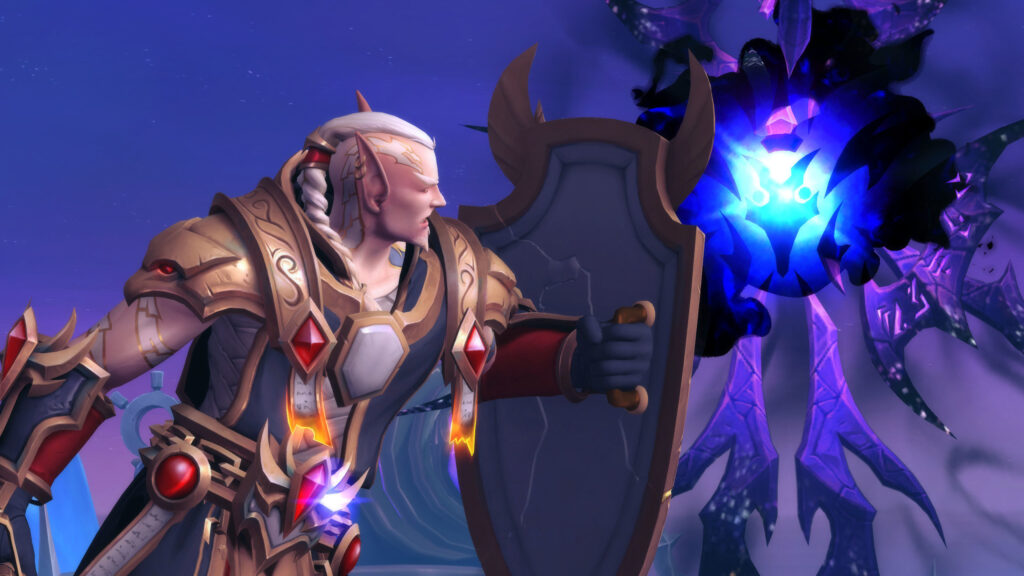
Main Character Energy isn’t necessarily arrogance (though it can sometimes manifest that way). It’s a mindset where a player consistently operates with the assumption that the game world, and the actions of other players within it, revolve around *them*. This can manifest as:
- Expecting others to adapt to their schedule or needs without reciprocal consideration.
- Taking the lead in groups without consulting others, assuming their strategy is best.
- Believing they are uniquely talented or important, even in group contexts.
- Reacting to setbacks as if they are personal affronts or plot twists designed to challenge *them*.
It’s a subtle but pervasive shift from “I am a hero in this world” to “I am THE hero, and this is MY story,” which inevitably colors how they interact with the millions of other “heroes” sharing their stage.
Manifestations in Groups: From “My Pulls” to “My Loot”
MCE is most evident in group content. In a dungeon or raid, a tank with MCE might consistently pull at their own pace, ignoring healer mana or DPS cooldowns, because “this is my pace.” A DPS player might ignore mechanics to maximize their own damage, reasoning that their superior damage is the most important factor in success.
Loot, too, often brings out MCE. A player might express disproportionate outrage over losing a roll, or feel entitled to specific drops, believing the game (and the group) should cater to their gearing needs. This behavior stems from a fundamental belief that the group’s objective aligns perfectly with their personal progression, rather than being a collective effort where individual needs are balanced against team success.
| MCE Manifestation | Behavioral Trait | Potential Upside | Potential Downside |
|---|---|---|---|
| Unilateral Leadership | Takes charge, sets pace without discussion. | Can provide decisive leadership, prevent analysis paralysis. | Alienates group, ignores needs, leads to wipes/frustration. |
| Perceived Entitlement | Expects special treatment, priority on loot/resources. | None (unless genuinely exceptional/solo carry). | Breeds resentment, selfishness, destroys group cohesion. |
| Dramatic Reactions | Treats setbacks as personal challenges/plot twists. | Can inspire resilience, inject narrative flair (rarely). | Overdramatic, whiny, drains morale, deflects blame. |
| Ignoring Others’ Needs | Plays purely for self (e.g., pulling aggro, ignoring mana). | Maximize personal output (DPS, HPS) in short term. | Wipes, friction, makes others feel disregarded/unimportant. |
| Seeking Validation | Constantly seeking praise, attention, or recognition. | Can motivate strong play, encourages positive feedback. | Comes across as needy, self-absorbed, disrupts flow. |
| “Lore-Accurate” Play | Makes character choices based on their personal story. | Adds immersion for self, potentially interesting role-play. | Conflicts with group goals, impractical, causes wipes. |
The “Main Character” Guild Leader: Benevolent Dictator or Tyrant?
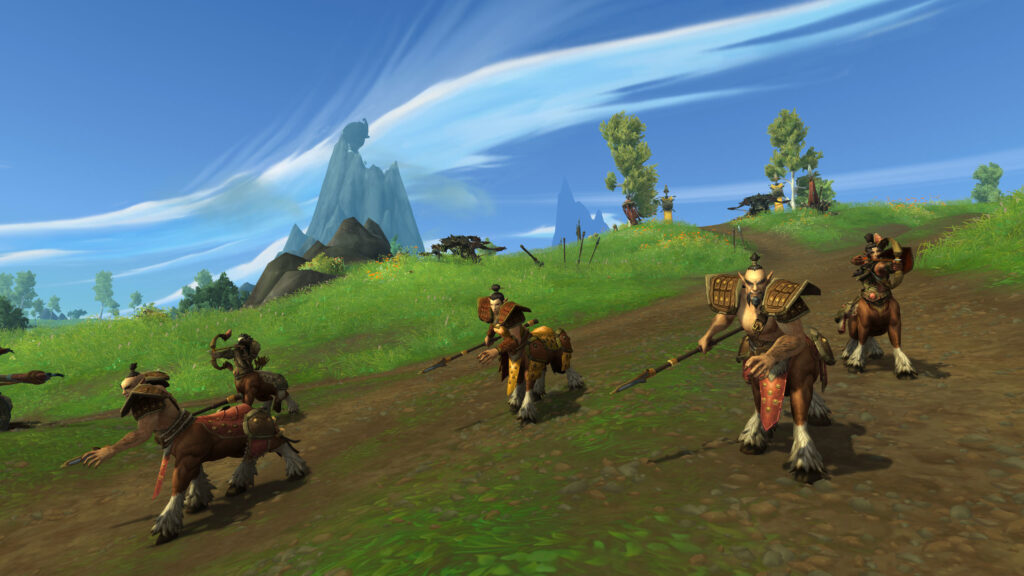
MCE can profoundly shape guild culture, especially if it emanates from a guild leader. A leader with MCE might run the guild as their personal army, dictating every decision, treating members as subordinates, and viewing guild resources as extensions of their own power. This can be efficient in a top-down structure, but it often sacrifices member agency and can lead to high turnover if members feel unvalued.
Conversely, a leader with a more collaborative approach understands that a guild thrives when everyone feels like a valued hero in their own right, contributing to a shared, evolving story, rather than just being a supporting character in the leader’s personal saga.
The Upside (and Downside) of MCE
While often seen negatively, MCE isn’t without its potential upsides. A player with strong conviction might take decisive action in a chaotic situation, preventing a wipe. Their confidence can be infectious, spurring others to play better. In certain solo content or very casual settings, it can fuel a rich personal narrative and immersion.
However, the downsides are more numerous. It often leads to friction, resentment, and a breakdown of teamwork. It can make others feel invisible or unimportant, ultimately undermining the cooperative spirit essential to MMOs. In competitive content, MCE can manifest as toxic individualism, prioritizing personal metrics over group success, leading to failure and conflict.
Navigating the Shared Stage: Balancing Personal Epic with Collective Adventure
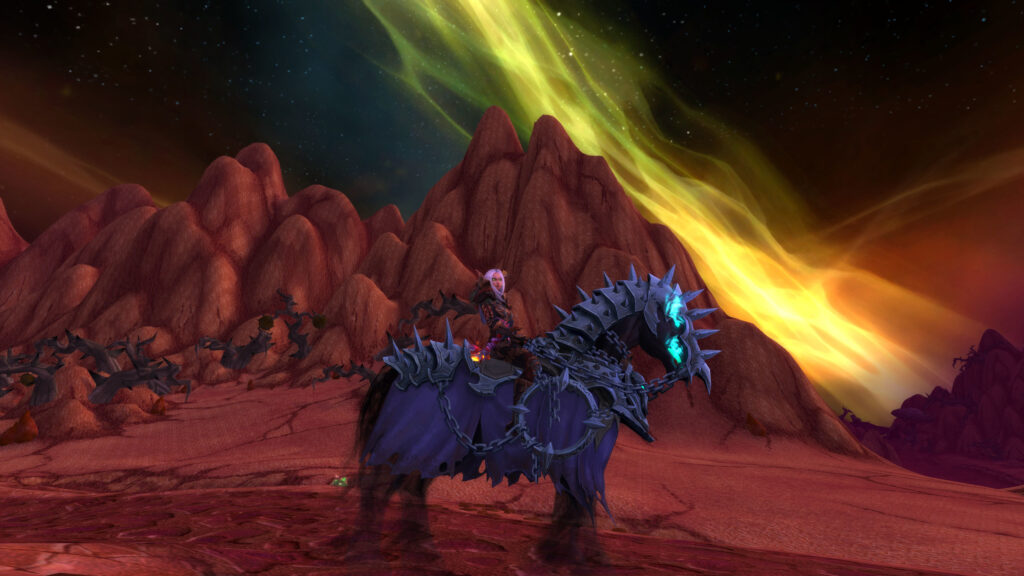
The rise of MCE reflects a tension inherent in MMOs: the desire for personal heroism versus the necessity of collective endeavor. Modern MMOs, with their emphasis on personal progression and often instanced content, sometimes inadvertently encourage players to focus on their own journey, creating a breeding ground for MCE.
Ultimately, a healthy MMO environment thrives on players recognizing that while their character is important to *their* story, everyone else is equally important to *theirs*. It’s about gracefully sharing the spotlight, understanding that true epic adventures are built collaboratively, and that the most memorable narratives often emerge when a diverse cast of heroes comes together, each playing their part, rather than a single protagonist overshadowing all others.