
In progression content, perfection is rare. Even highly disciplined groups experience moments where multiple failures stack at once—missed mechanics, unexpected deaths, or resource collapse. The Recovery from Near-Wipes is the defining Crisis Management Skill that determines whether these moments become learning opportunities or wasted pulls.
This skill separates teams capable of executing Salvaged Attempts—stabilizing chaos and continuing the fight— from those suffering Full Raid Resets, where panic, misused resources, and poor prioritization force an avoidable wipe.
This expanded analysis breaks down how near-wipes form, how to recognize the exact recovery window, and how disciplined triage turns apparent failure into unexpected kills.
The Anatomy of a Near-Wipe Scenario
A near-wipe occurs when encounter structure is damaged but not fully broken. Common indicators include multiple DPS deaths, a tank dropping to critical health, healers nearing zero mana, or adds temporarily escaping control.
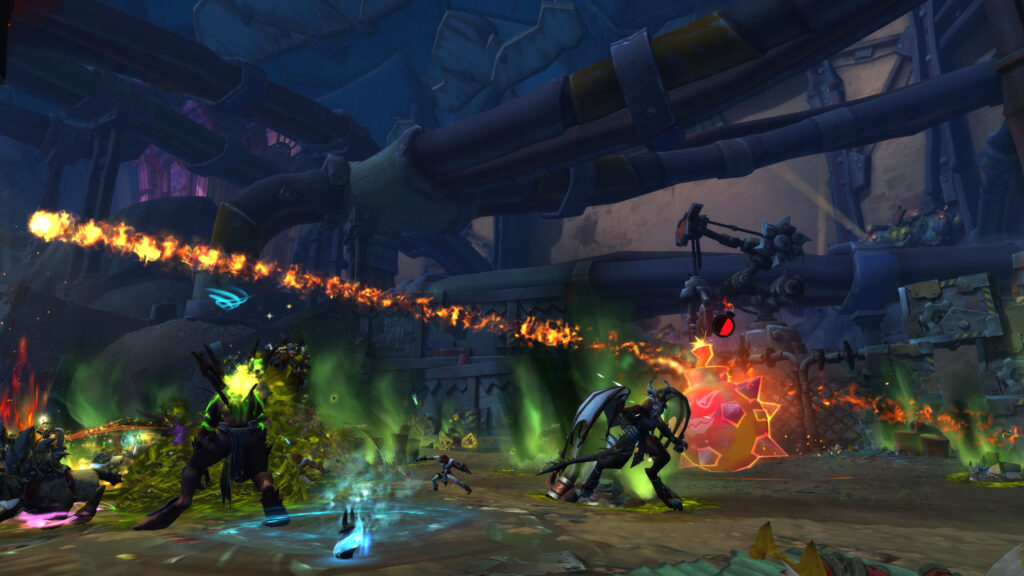
Crucially, the fight is still recoverable. Boss health has not reset, enrage timers have not triggered, and at least one tank and healer remain alive. Recognizing this state early is the first requirement of effective crisis management.
Groups that instinctively panic—continuing full DPS rotations or overlapping cooldowns randomly—convert recoverable moments into guaranteed wipes.
The Immediate Stabilization Protocol
Once a near-wipe is identified, the group must instantly shift priorities from damage to survival. This transition must be automatic and rehearsed.
- Damage Ceasefire: DPS immediately stop non-essential damage. Threat stabilization and healer recovery take priority over boss HP.
- Utility Dumping: All remaining crowd control, externals, and personal defensives are used immediately to reduce incoming damage.
- Brezz Authority: A single designated player decides resurrection targets to avoid wasted battle rezzes and role imbalance.
Resource Triage Under Extreme Pressure
Near-wipe recovery is defined by scarcity. Cooldowns, mana, and utility are limited, and incorrect usage compounds failure. Effective triage prioritizes restoring encounter structure before returning to damage.
| Crisis State | Correct Triage Response | Stabilization Outcome |
|---|---|---|
| Tank critical, healer nearly OOM | Chain externals on tank; resurrect most mana-efficient healer | Threat and healing stability restored |
| Multiple adds uncontrolled | Mass grip, fear, or stuns to re-stack mobs | Tank regains control and positioning |
| Raid HP collapsed after AoE | Immediate use of last major healing cooldown | Raid stabilized above lethal threshold |
The Mental Discipline of Recovery
Successful recovery requires emotional control. Players must suppress panic, ignore damage meters, and execute their assigned stabilization role without improvisation.
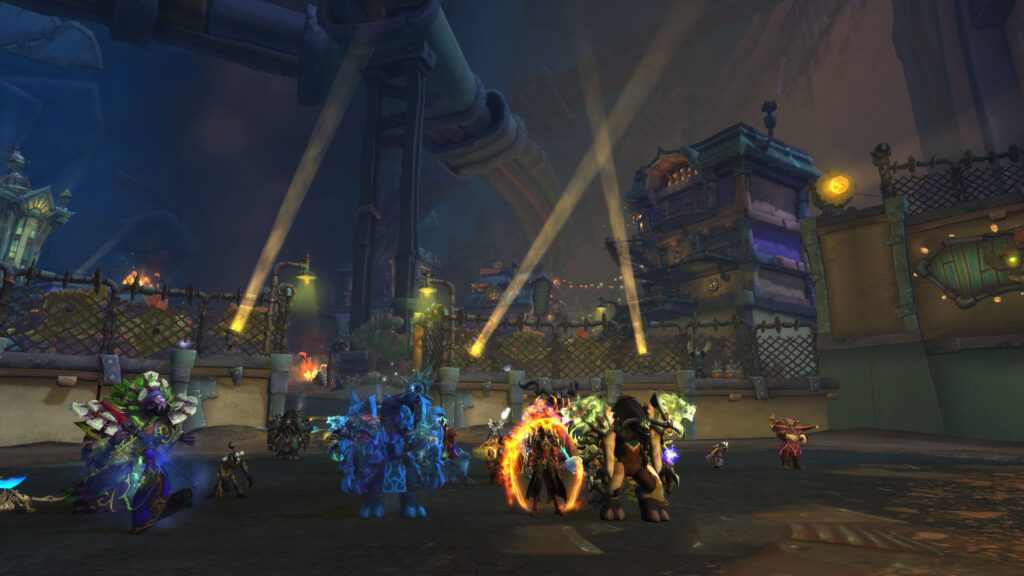
The most effective groups treat near-wipes as structured events rather than disasters. Clear voice commands, minimal chatter, and absolute trust in the recovery protocol are essential.
Many progression kills occur only because a group maintained composure and executed recovery correctly when failure seemed inevitable.
Conclusion
The Recovery from Near-Wipes is the highest expression of Crisis Management Skill. By recognizing recoverable states, enforcing immediate stabilization, and executing disciplined resource triage, teams convert chaos into control.
This capability separates progression-ready groups from inconsistent ones. Salvaged Attempts save time, consumables, and morale—while Full Raid Resets waste all three. Mastering recovery is not optional; it is a defining skill of successful high-level play.