In high-level Mythic+ dungeons, no single decision influences success more than how many enemies are pulled at once. Mythic+ Pull Sizing Accuracy is the defining Risk Calibration skill that determines whether a run accelerates efficiently or collapses under uncontrolled pressure.
This calibration separates tanks executing Perfect Overload—pulls that fully exploit group cooldowns, control, and survivability—from those creating Unmanageable Wipe Conditions, where excessive enemy mechanics overwhelm healing, interrupts, and defensive coverage.
This expanded analysis examines how pull sizing is evaluated in real time, why raw mob count is less important than mechanical density, and how disciplined adjustment prevents failed keys while preserving speed.
The Core Risk Calibration Problem
Pull sizing exists at the intersection of ambition and restraint. Pull too small, and the dungeon timer slowly bleeds away through inefficient trash clears. Pull too large, and the group collapses under overlapping casts, tank damage spikes, and healer overload.
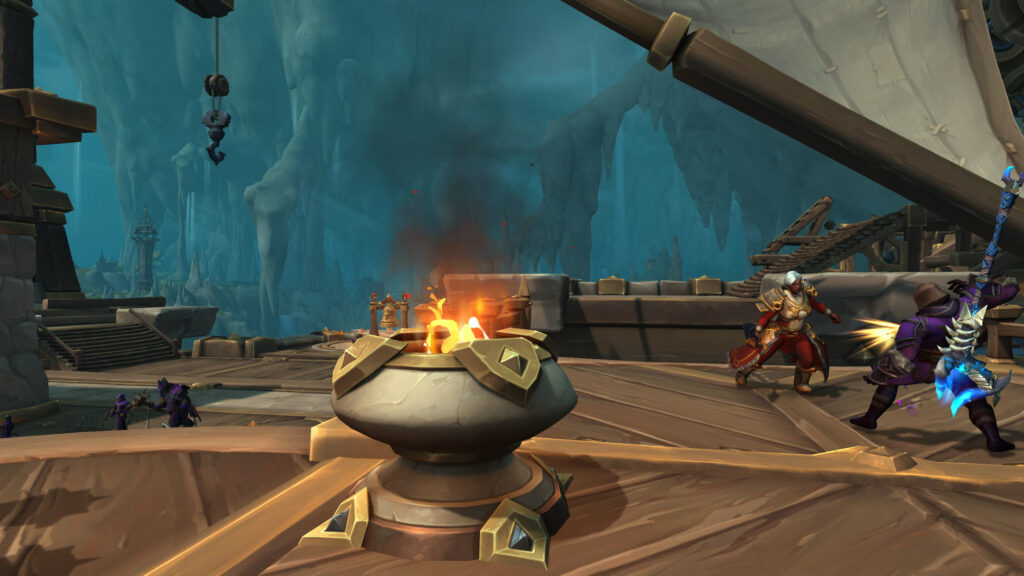
Perfect Overload is achieved when the pull size pushes the group to the edge of its capacity without exceeding it. This edge is dynamic and changes from pull to pull depending on cooldowns, enemy types, and player execution.
Unmanageable Wipe Conditions arise when risk is misjudged—typically not because of one mistake, but because too many threats activate simultaneously for the group to meaningfully control.
Why Enemy Composition Matters More Than Mob Count
A common mistake in Mythic+ planning is evaluating pull size purely by the number of enemies. In reality, mechanical density is the true limiter.
Five enemies casting lethal spells with mandatory interrupts can be far more dangerous than ten enemies dealing only melee damage. Tanks must evaluate:
- How many simultaneous interrupts are required?
- How much unavoidable AoE damage will overlap?
- Do mobs apply stacking debuffs or healing reductions?
- Are mobs immune or resistant to crowd control?
Pull Sizing Accuracy prioritizes solving these questions before adding additional enemies to the pack.
Real-Time Factors Influencing Optimal Pull Size
Optimal pull size must be recalibrated continuously. Tanks cannot rely on static routes alone; they must read the state of the group in real time.
- Utility Availability: AoE stuns, silences, grips, and fears define how long a dangerous pull can be stabilized. Missing even one key CC often halves the safe pull size.
- DPS Cooldown Readiness: If burst cooldowns and trinkets are available, pulls can be aggressively scaled. Without them, even moderate pulls may become dangerous.
- Healer Resource State: Low mana, missing cooldowns, or recent deaths drastically reduce tolerance for overload.
- Affix Interaction: Seasonal and weekly affixes can dramatically alter pull safety by adding extra mechanics or punishing large enemy counts.
The Tank’s Calibration Protocol
The tank acts as the group’s risk manager, continuously testing and refining pull size based on observed outcomes rather than theory alone.
| Calibration State | Tank Adjustment | Outcome |
|---|---|---|
| Under-Pulled | Increase next pull size slightly or chain-link an extra pack. | Improved dungeon pacing and time buffer creation. |
| Perfect Overload | Maintain pull size and focus on execution consistency. | Maximum efficiency with controlled survivability. |
| Unmanageable Wipe | Reduce pull size and remove the most dangerous enemy type. | Stabilized run and prevention of repeated failures. |
The Hidden Cost of Over-Pulling
Over-pulling does not just cause wipes—it drains morale, consumes battle resurrections, and forces defensive cooldowns to be used reactively rather than strategically. Repeated unmanageable pulls often lead to cascading failures later in the dungeon.
Accurate calibration avoids these pitfalls by ensuring each pull is demanding but solvable, preserving both resources and confidence throughout the run.
Conclusion
Mythic+ Pull Sizing Accuracy is the ultimate Risk Calibration skill for tanks and groups pushing high keys. By prioritizing enemy mechanics, utility coverage, and real-time group readiness, tanks create Perfect Overload scenarios that maximize speed without sacrificing control.
This disciplined approach separates efficient, successful key runs from the stagnation and frustration caused by repeated Unmanageable Wipe Conditions.