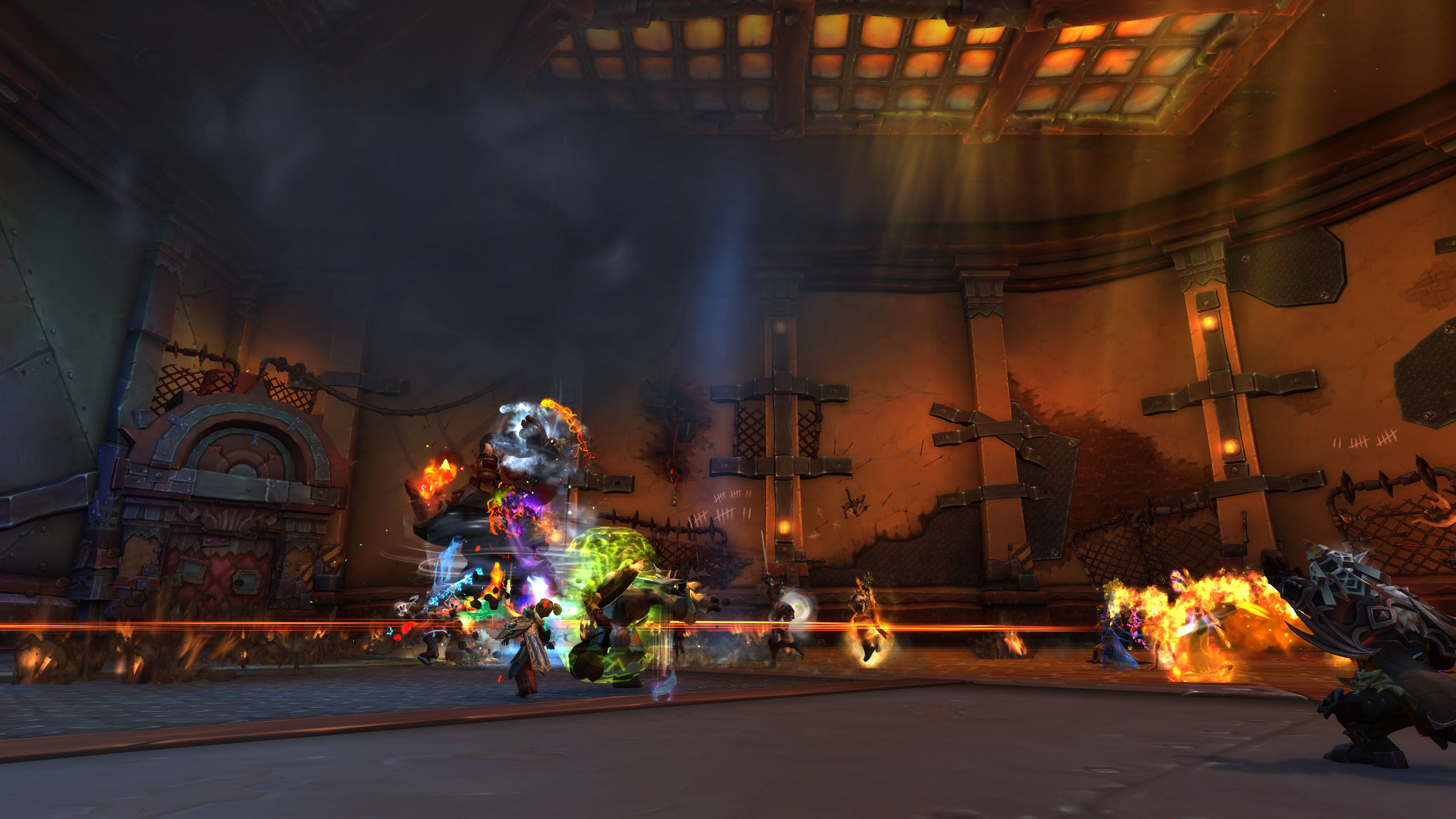
In modern raid encounters, raw mechanical skill and high individual output are no longer enough to guarantee success. As encounter complexity increases, reliability becomes the defining trait of progression-ready groups. Raid Team Cohesion is the core Reliability Factor that determines whether a group functions as a unified system or as a collection of isolated performers.
Cohesion separates teams capable of Synchronized Execution—where movement, cooldown usage, and decision-making happen in lockstep—from those displaying Sporadic Individual Performance, where players may excel personally but fail to align during critical moments. In high-end content, even small desynchronizations multiply into wipes.
This expanded analysis breaks down how cohesion is built, how it is measured, and why reliability consistently outperforms individual brilliance in progression environments.
The Foundations of Raid Team Cohesion
Raid Team Cohesion is built on predictability and shared expectations. Every player must understand not only their own role, but how that role intersects with the actions of others. Cohesion emerges when individual decision-making is replaced by trust in established systems.
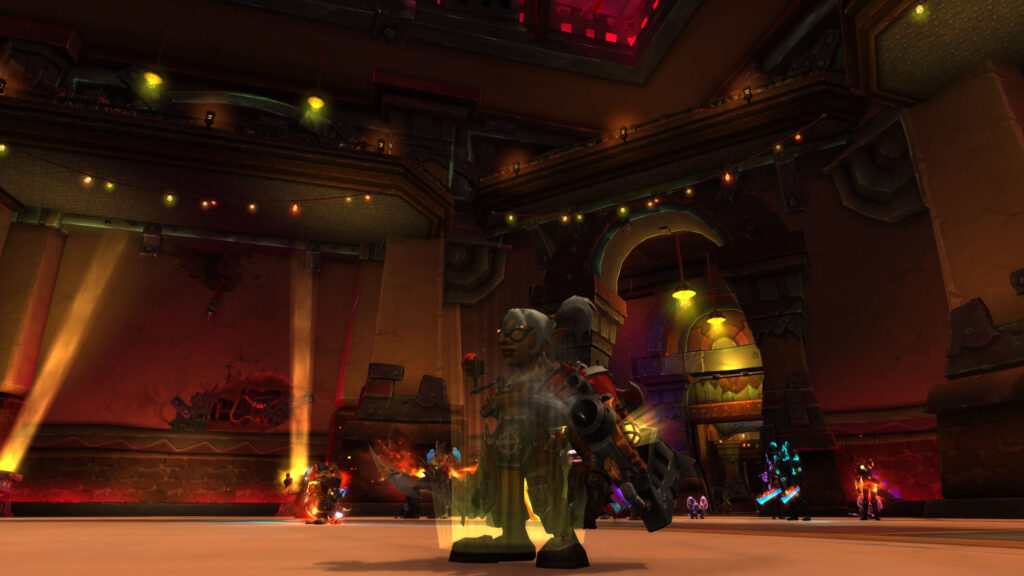
At its core, cohesion relies on the idea that no single action exists in isolation. Movement affects healing coverage, damage timing affects add control, and defensive usage affects healer cooldown planning. When these elements align, the raid operates as a single organism rather than twenty independent actors.
Core Components of the Reliability Factor
Cohesion is not abstract; it is expressed through repeatable, observable behaviors. High-reliability teams consistently execute the following components:
- Utility Synchronization: Offensive and defensive utilities are deployed according to plan, not personal impulse. Interrupt rotations, external defensives, and raid cooldowns occur in the intended order without overlap or hesitation.
- Positional Cohesion: Players relocate together, maintaining stack integrity, healer line-of-sight, and enemy positioning. Movement is decisive and simultaneous, not staggered.
- Communication Discipline: The Shotcaller’s instructions are treated as authoritative. Players respond instantly without questioning timing or intent mid-pull.
Why Sporadic Individual Performance Fails
Sporadic Individual Performance often appears strong on meters but weak in outcomes. A player may maximize damage, healing, or mitigation in isolation while undermining the group through delayed movement, mistimed utility, or failure to adapt to calls.
These failures rarely look dramatic on their own. One player hesitating for half a second creates positional drift. Another holding a cooldown creates defensive gaps. Over time, these small inconsistencies compound into chaos.
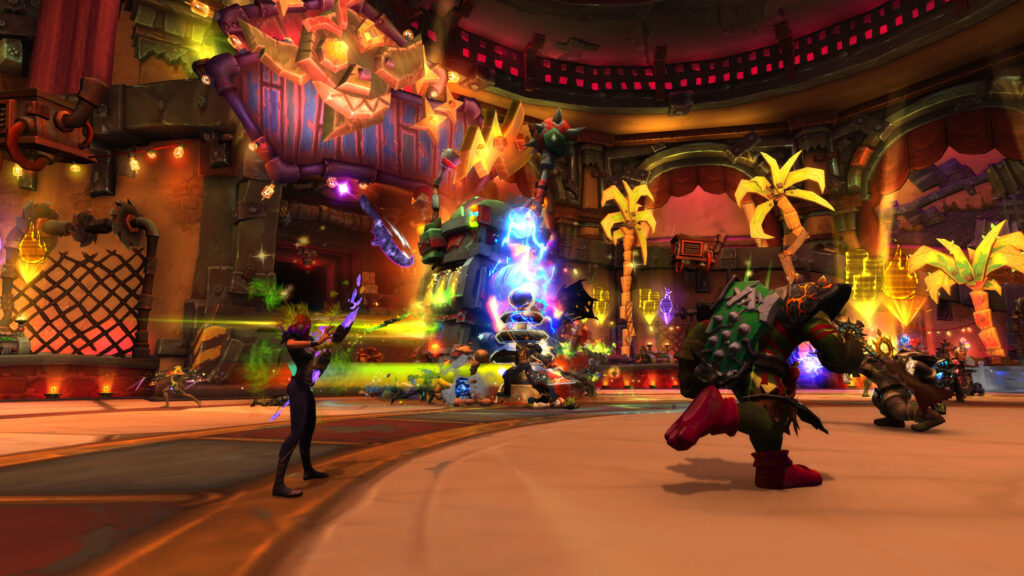
Synchronized Execution eliminates these risks by prioritizing collective timing over personal optimization. Players accept minor personal loss in exchange for structural stability, which ultimately produces higher overall success.
Reliability Metrics That Define Cohesion
Cohesion can be evaluated objectively by tracking how consistently the raid meets synchronization standards across pulls:
| Cohesion Metric | Synchronized Execution Standard |
|---|---|
| Utility Timing Accuracy | External buffs, interrupts, and defensives occur within planned windows. |
| Movement Synchronization | Entire raid relocates within a narrow timing window (≤1 second). |
| Cooldown Alignment | Major offensive CDs consistently align with vulnerability phases. |
| Defensive Discipline | No overlap or omission in healer and raid defensive rotations. |
How Cohesion Scales with Encounter Difficulty
As encounters introduce overlapping mechanics, tight damage windows, and severe punishment for errors, cohesion scales in importance. Early content may tolerate individual mistakes; late-stage progression does not.
High-cohesion teams experience faster learning curves because each pull produces clean, repeatable data. Low-cohesion teams stagnate because failures are inconsistent and difficult to diagnose. Reliability accelerates progression by removing noise from execution.
Conclusion
Raid Team Cohesion is the definitive Reliability Factor in high-level progression. By enforcing synchronized movement, disciplined utility usage, and absolute trust in communication, teams achieve Synchronized Execution.
This collective reliability consistently outperforms Sporadic Individual Performance, turning complex encounters into solvable systems rather than chaotic improvisation. In progression raiding, cohesion is not optional—it is the foundation of success.


Comments are disabled.